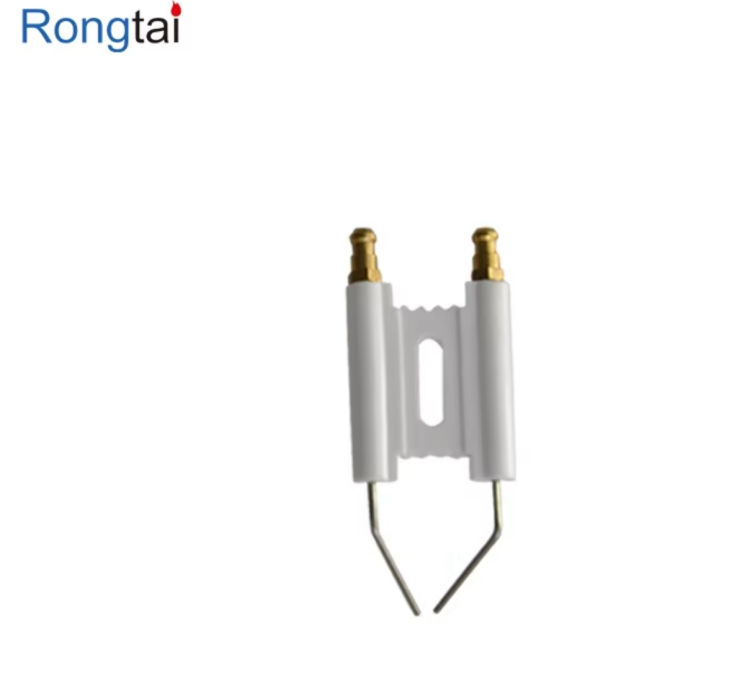
Igniters—whether electronic control units or traditional capacitor discharge systems—must deliver optimal voltage to the electrodes. Modern igniters often integrate with thermocouples for temperature feedback, adjusting spark timing to prevent overheating. For example, in high-performance engines, a thermocouple monitors exhaust gas temperatures, signaling the igniter to retard timing if thresholds are exceeded.
Thermocouples also play a critical role in safety. By detecting abnormal temperature rises, they prevent catastrophic failures like pre-ignition or detonation. Regular calibration ensures accurate readings, while proper electrode gap maintenance minimizes voltage leakage.
Operators should prioritize routine inspections: checking electrode wear, verifying igniter output, and testing thermocouple accuracy. This holistic approach extends component life, optimizes fuel combustion, and reduces emissions—key priorities for automotive and industrial applications.