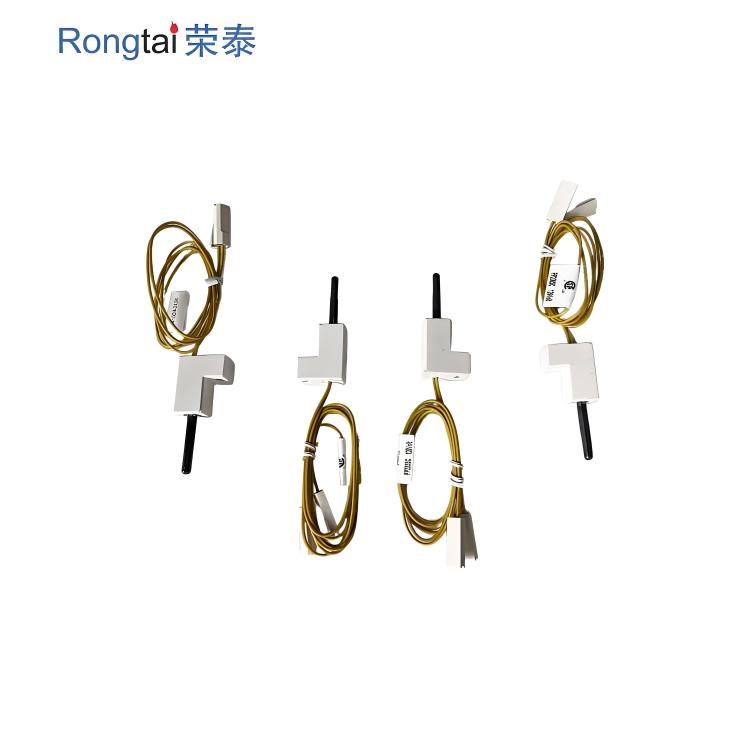
A Hot Surface Igniter uses electrical resistance to heat a ceramic or metal element until it glows red-hot, igniting fuel upon contact. Common in gas furnaces and ovens, it offers silent operation and reliable ignition in controlled environments. However, it requires time to reach optimal temperature and may degrade if exposed to contaminants.
Conversely, a spark igniter generates high-voltage arcs to ignite fuel instantly. Used in grills, water heaters, and some industrial burners, it excels in harsh conditions but produces audible noise.
The Thermocouple often pairs with both systems, detecting flame presence to shut off gas flow if ignition fails, enhancing safety.
Choosing between them depends on application needs: hot surface igniters suit stationary, low-noise environments, while spark igniters excel in rugged, high-speed scenarios. Proper maintenance and component compatibility ensure longevity and performance. Understanding these differences ensures optimal system design and safety compliance.