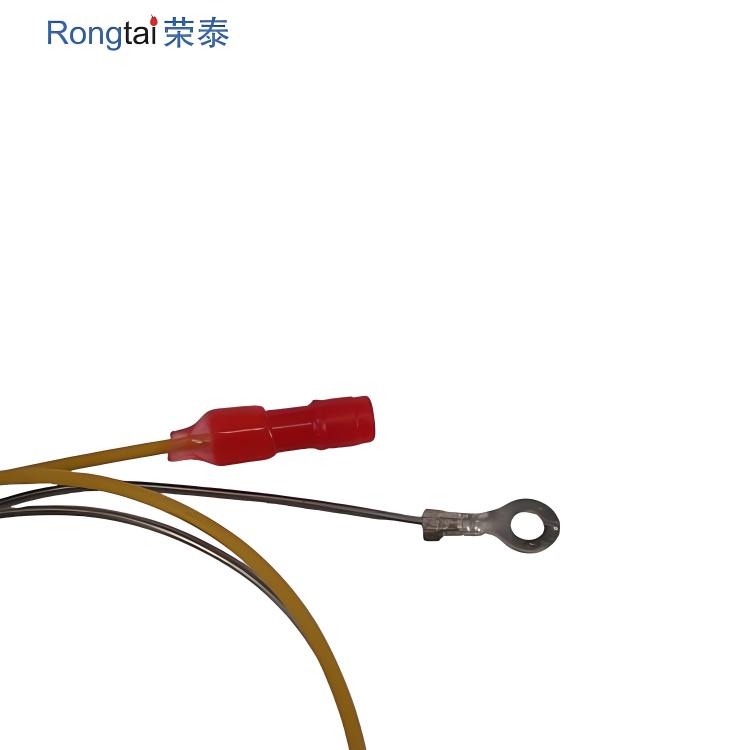
Thermocouple is a core temperature-sensing component in industrial furnaces, water heaters and HVAC systems, but its display often deviates lower than the actual temperature—causing equipment inefficiency and safety risks. This issue is especially common in systems equipped with Hot Surface Igniter or other Igniter types, as high-temperature environments accelerate component wear. Frontline maintenance technicians note that over 80% of such deviations stem from four key factors, which can be resolved with targeted troubleshooting.
First, poor contact or oxidation at the junction. Thermocouple junctions are prone to oxidation under high temperatures, especially when used with Hot Surface Igniter, which generates intense heat. Oxidation increases resistance, leading to inaccurate readings. Clean the junction with fine sandpaper and apply anti-oxidation paste. Loose connections between the thermocouple and controller also cause deviations—ensure terminals are tightly fastened.
Second, incorrect installation position. The thermocouple must be placed at the core temperature zone, avoiding direct exposure to Igniter flames or cold air currents. For example, if it’s too far from the Hot Surface Igniter, it fails to capture real-time temperature. Adjust its position to be close to the heating area but not in direct contact with the Igniter to prevent damage and ensure accuracy.
Third, component aging or damage. Prolonged use with high-temperature Igniter wears the thermocouple wire, reducing its sensing sensitivity. Replace aged wires with matching models—avoid mixing different thermocouple types. Finally, check the controller calibration. A faulty controller may misprocess signals from the thermocouple. Calibrate it with a standard thermometer or replace it if necessary. Proper maintenance can restore accuracy and extend thermocouple service life.