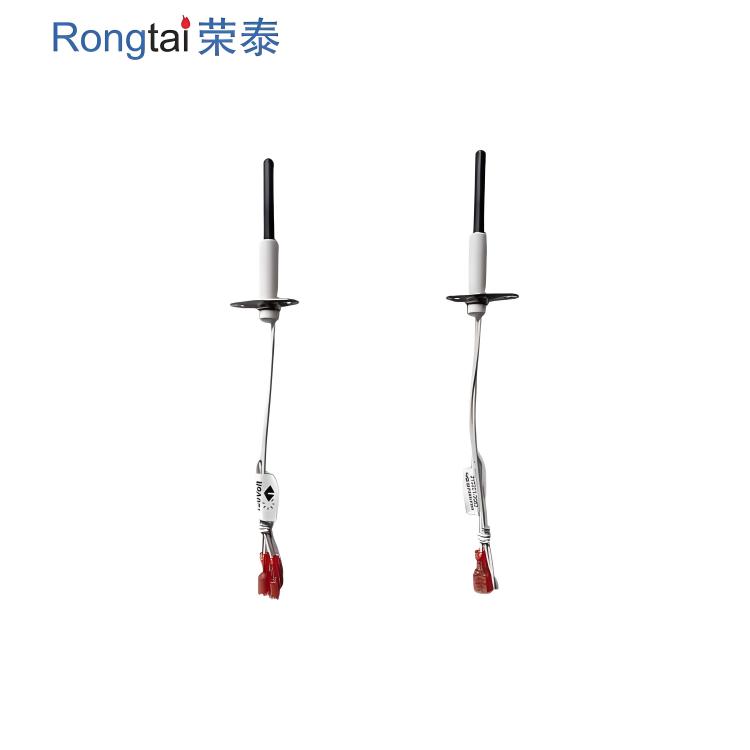
Begin by inspecting the igniter for visible cracks or discoloration. A functional Silicon Nitride Igniter glows bright orange when powered. Use a multimeter to check resistance: a healthy igniter typically reads 10-50 ohms. If the reading is infinite, the igniter is open and needs replacement.
Ignition Electrodes, common in older systems, produce sparks to ignite gas. For these, check for carbon buildup or wear. Clean gently with fine sandpaper and retest.
Always prioritize safety: wear gloves, avoid touching hot surfaces, and ensure proper ventilation. Modern systems often integrate both igniter types, so understanding their roles ensures accurate diagnosis. Regular maintenance extends component life, saving costly repairs. By mastering these tests, homeowners gain confidence in troubleshooting—blending DIY empowerment with professional-grade precision.