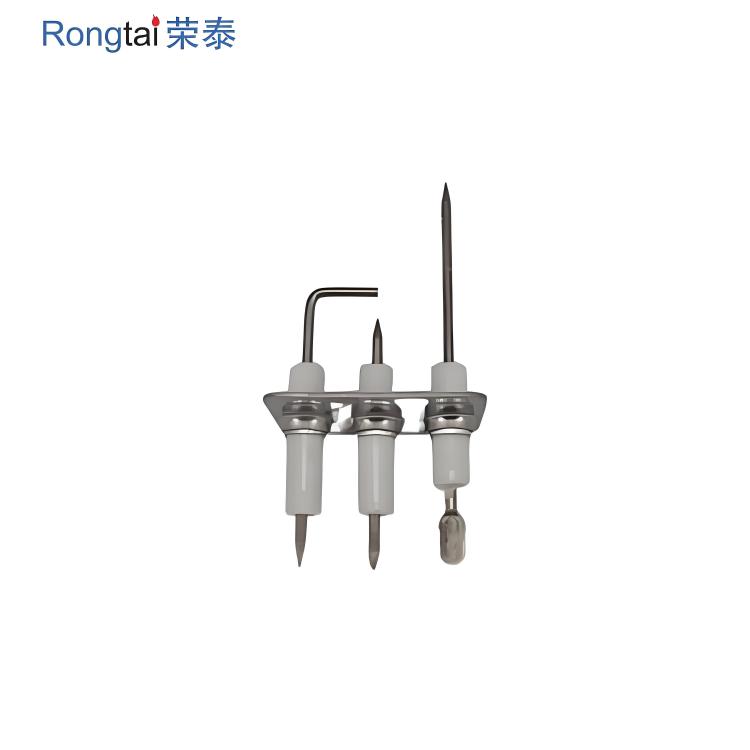
The Ignition Electrode is the unsung hero of your water heater, responsible for sparking the flame that heats your water— and when it starts to fail, your daily hot water supply is at risk. Recognizing the early warning signs not only prevents sudden breakdowns but also protects key components like High Temperature Resistant Connections and the Thermocouple, which work in tandem with the electrode to ensure safe, efficient operation.
One clear red flag is frequent ignition failure. If your water heater makes a clicking sound but fails to light, or lights only intermittently, the electrode may be worn or misaligned. Over time, carbon buildup or corrosion on the electrode tip weakens the spark, making it hard to ignite the gas. Check the High Temperature Resistant Connections too—loose or frayed wires here can disrupt the electrode’s power supply, mimicking a faulty electrode.
Another sign is a weak or inconsistent flame. A healthy Ignition Electrode produces a strong, blue spark; a faint spark or yellow flame often signals wear. This issue can also strain the Thermocouple, a safety device that shuts off gas if no flame is detected—if the Thermocouple trips frequently, the electrode may be the root cause.
Visible damage to the electrode (cracks, bending) or corroded High Temperature Resistant Connections are also telltales. Ignoring these signs can lead to complete electrode failure, costly repairs, or even safety hazards. By spotting these cues early, you can replace the Ignition Electrode promptly, keeping your water heater running smoothly and protecting its vital components.