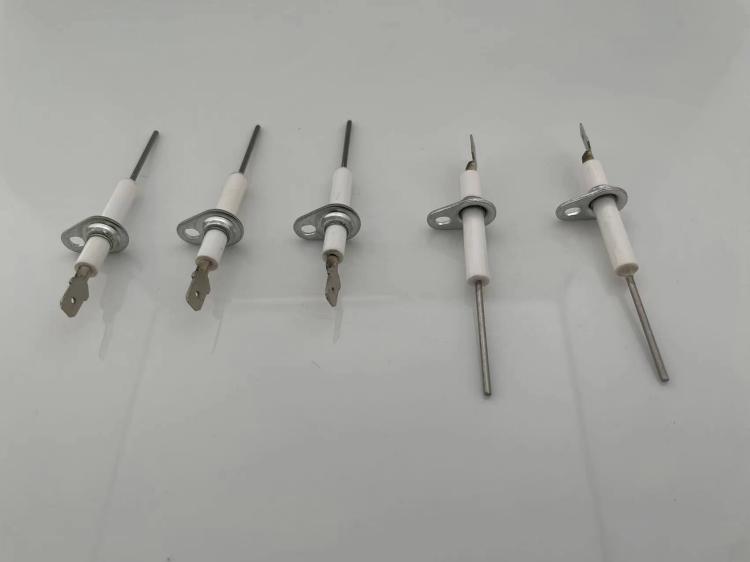
1. Electrode Material Matters
- Copper-Core Plugs: Ideal for stock engines, offering reliable conductivity but shorter lifespans (20,000–30,000 miles).
- Platinum/Double Platinum: Withstands higher heat (up to 1,200°F) and lasts 60,000–100,000 miles. Suitable for daily drivers.
- Iridium: Ultra-fine electrodes (0.4mm) reduce voltage requirements, improving throttle response. Lasts 100,000+ miles—perfect for performance vehicles.
2. Heat Range Selection
A plug’s heat range determines its ability to dissipate heat. Cold plugs (shorter insulator nose) prevent pre-ignition in high-boost engines, while hot plugs (longer nose) reduce carbon fouling in naturally aspirated setups. Consult OEM specs; deviations beyond ±1 step require tuning adjustments.
3. Engine-Specific Designs
- Turbo/Supercharged Engines: Require colder plugs (e.g., NGK R7436-9) to resist detonation.
- Direct-Injection Systems: Use multi-ground electrodes (4–6) for efficient flame propagation.
- Vintage/Modified Engines: Retrofit projects may need custom gap sizes (0.028–0.040”) and non-resistor plugs for classic ignition systems.
4. Brand & Compatibility
Verify plug dimensions (thread size, reach, hex size) against factory specs. Leading manufacturers like Denso, NGK, and Bosch offer application-specific catalogs. Always test-fit before installation.
Proper selection extends component life by 25–50% and ensures compliance with emissions standards. For racing applications, consult dynamic compression ratio calculators to fine-tune heat ranges.