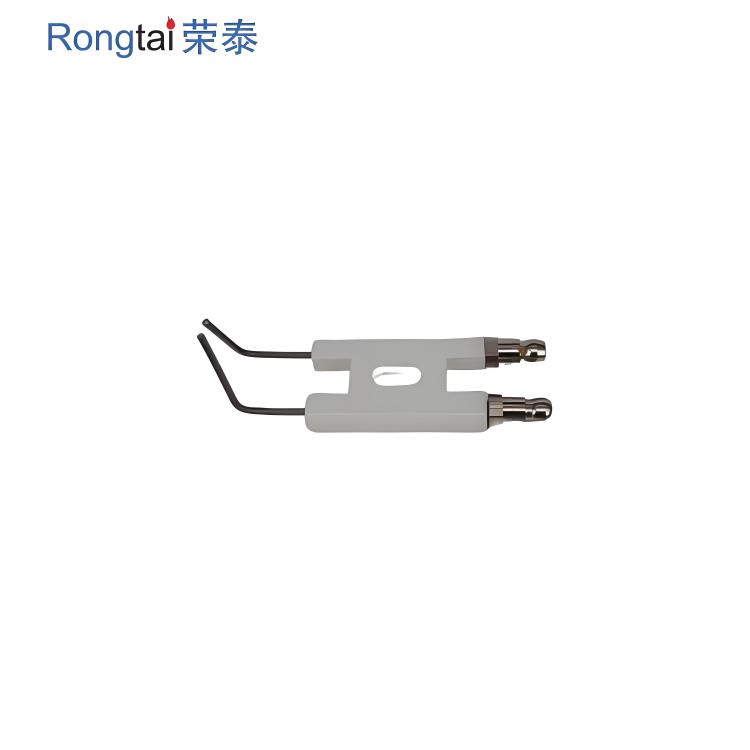
In modern burners, the Igniter assembly—comprising the electrode, holder, and wiring—benefits from ceramic’s non-conductive properties, which prevent arc leakage and focus energy on fuel ignition. Compared to Hot Surface Igniters, which rely on heated filaments to ignite gas, ceramic spark systems offer faster response times and broader fuel compatibility, including low-volatility gases.
Key advantages include:
- Extended Lifespan: Ceramic electrodes withstand 1,200°C+ environments, outlasting metal counterparts by 3–5x.
- Reduced Emissions: Consistent sparks ensure complete combustion, cutting CO and NOx by up to 15%.
- Adaptability: Compatible with pulse ignition systems, optimizing energy use in residential and industrial heaters.
Operators should monitor electrode wear via voltage checks and clear debris from ceramic surfaces to prevent misfires. By integrating ceramic spark technology, manufacturers achieve 98%+ ignition success rates, lowering maintenance costs while meeting stringent emissions standards. This innovation positions ceramic electrodes as the cornerstone of efficient, sustainable combustion solutions.