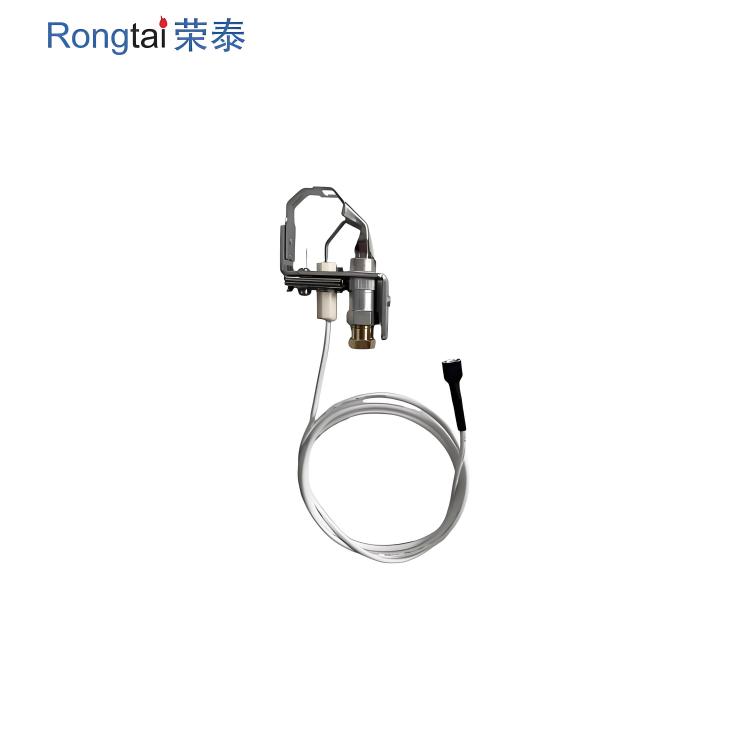
1. Pre-Installation Checks
Verify compatibility between the Ods pilot burner and your appliance. Ensure the Igniter Kit includes all components: Ignition Electrode, wiring, and mounting hardware. Clear debris from the burner chamber to prevent misfires.
2. Electrode Positioning
Install the Ignition Electrode 3–5mm from the burner port for optimal spark gap. Secure it at a 45-degree angle to direct sparks toward the gas outlet. Misalignment can cause weak ignition or electrode erosion.
3. Wiring and Connections
Connect the Igniter’s high-voltage wire to the electrode terminal. Use heat-resistant sleeves for wires near the burner to prevent melt damage. For Barbecue Stove Kits, route cables away from moving parts (e.g., grill grates) to avoid pinching.
4. Testing and Calibration
Activate the Igniter to test spark consistency. Adjust electrode gap if sparks appear weak or intermittent. For Ods systems, calibrate the sensor to detect oxygen levels accurately, ensuring automatic shutoff during flame failure.
5. Safety Protocols
Always disconnect gas and power before installation. Inspect electrode tips monthly for carbon buildup, which can hinder ignition. Replace electrodes annually or if cracks appear in the ceramic insulation.
By following these steps, users ensure durable ignition performance while minimizing gas waste and safety risks.
Planning Steps:
- Confirm appliance compatibility with the Igniter Kit.
- Clean burner ports and inspect existing electrodes for wear.
- Position electrodes precisely and secure wiring with zip ties.
- Test ignition sequence and adjust sensor thresholds.
- Schedule quarterly maintenance to clean electrodes and check wire integrity.