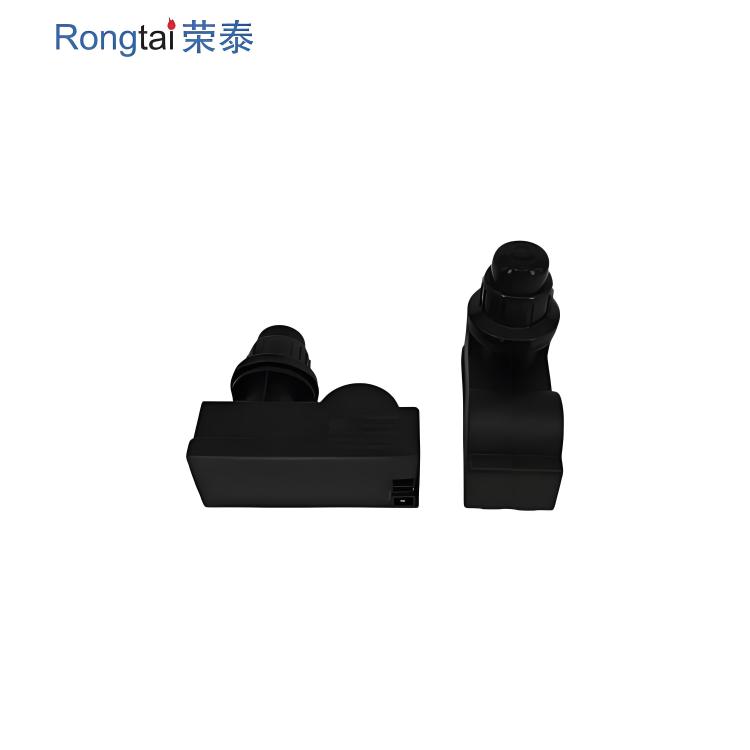
Proper installation of igniter systems is critical for safe and efficient operation in grills, water heaters, and industrial equipment. This guide covers key components—Igniter, Barbecue Stove Igniter Kit, and Thermocouple—to streamline setup and maintenance.
Igniter Installation Basics
- Preparation: Disconnect power and gas supplies. For replacement, unscrew the old igniter and detach wires from burner tubes.
- Wiring: Match wire count (2-wire for basic systems, 4-wire for advanced) to avoid compatibility issues. Secure connections using heat-resistant sleeves.
- Fit Adjustments: If the igniter hole is too small, carefully enlarge it with a metal drill bit. Wear safety gear to prevent debris injuries.
Barbecue Stove Igniter Kit Specifics
- Piezoelectric Models: Common in modern grills, these require precise alignment with burner tubes. Test by pressing the ignition button; a weak spark may indicate worn electrodes.
- Maintenance: Clean grease buildup annually and check battery contacts in wireless models. For charcoal grills, ensure igniter fuel canisters are upright and vented.
Thermocouple Critical Role
- Installation: Insert straight into the gas valve, tightening only ¼ turn past hand-tight. Avoid sharp bends in the probe.
- Positioning: Keep at least 12” away from AC power lines to prevent interference. Secure with brackets to resist vibration.
- Testing: Use a multimeter to verify voltage (20–30mV for type K). Replace if readings drop below 15mV.
Safety & Efficiency Tips
- Ventilation: Install barbecue igniters outdoors, away from combustible materials.
- Leak Checks: Apply soapy water to gas connections; bubbles signal leaks.
- Calibration: Thermocouples in industrial systems need annual recalibration, especially after temperature cycling.
Troubleshooting
- No Spark: Check battery polarity in wireless kits. For wired systems, inspect frayed cables.
- False Shutdowns: Clean thermocouple tips with steel wool to remove soot.