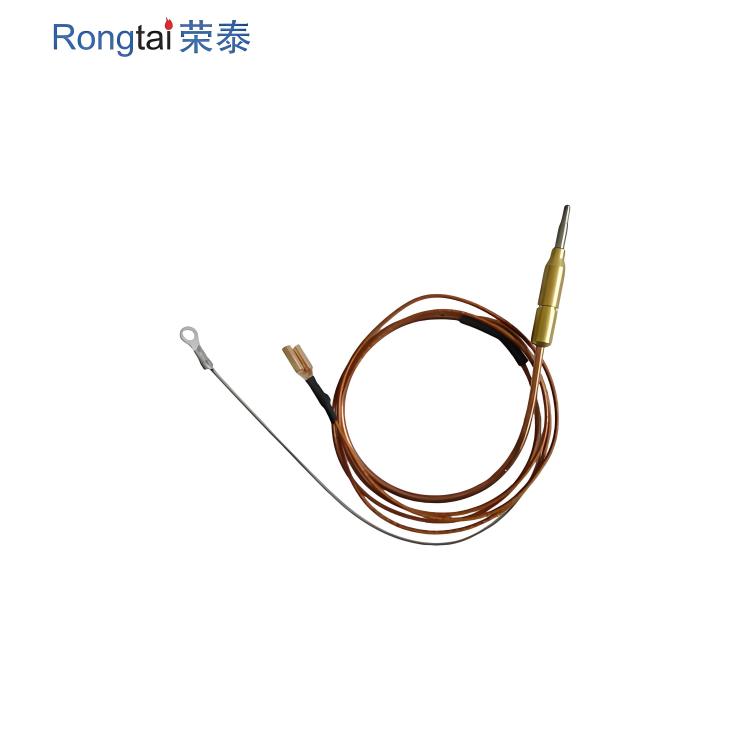
Ignition electrode, paired with thermocouples in gas appliances, require durable materials like silicon nitride to withstand repeated sparking. Ensure compatibility with the thermocouple’s signal output to prevent ignition failures.
Connect switche acts as safety barriers, interrupting gas flow if the thermocouple fails to detect a flame. Look for switches with quick-response mechanisms and certifications like CSA or UL. For all components, prioritize corrosion-resistant materials—stainless steel thermocouples outperform plastic-coated alternatives in high-moisture kitchens.
Regular maintenance includes cleaning thermocouple tips to prevent soot buildup and testing switch continuity. By selecting high-quality, compatible components and adhering to maintenance schedules, users ensure appliances operate safely, efficiently, and with minimal downtime—proving that informed buying decisions are the backbone of kitchen safety.