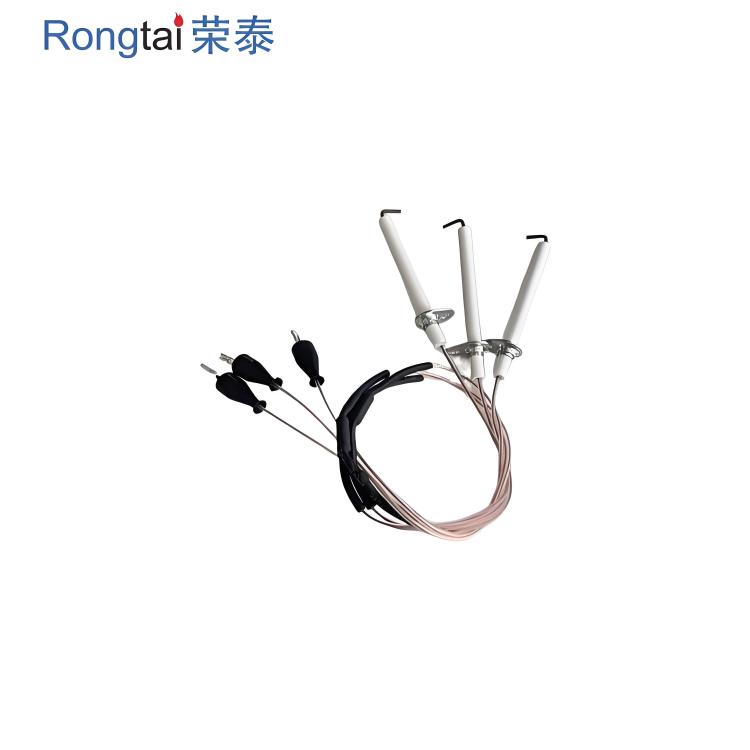
Preventative maintenance is key. Regular inspection of electrode contacts—using visual and electrical testing—ensures early detection. For minor oxidation, fine-grit sandpaper or chemical cleaners restore conductivity. Severe cases may require replacement with gold-plated or corrosion-resistant alloys.
Modern systems integrate smart diagnostics: the Thermocouple’s voltage output now triggers alerts for electrode degradation, while the Connect Switch’s micro-controllers log performance data for predictive maintenance.
Industry best practices emphasize material science advancements. Ceramic-coated electrodes resist oxidation up to 800°C, and sealed connectors prevent moisture ingress. As safety standards tighten, manufacturers prioritize durable, self-monitoring components—balancing cost, longevity, and compliance.
By merging proactive maintenance with intelligent design, industries ensure ignition systems remain reliable, safe, and efficient, even in harsh environments. This holistic approach redefines durability in combustion technology.