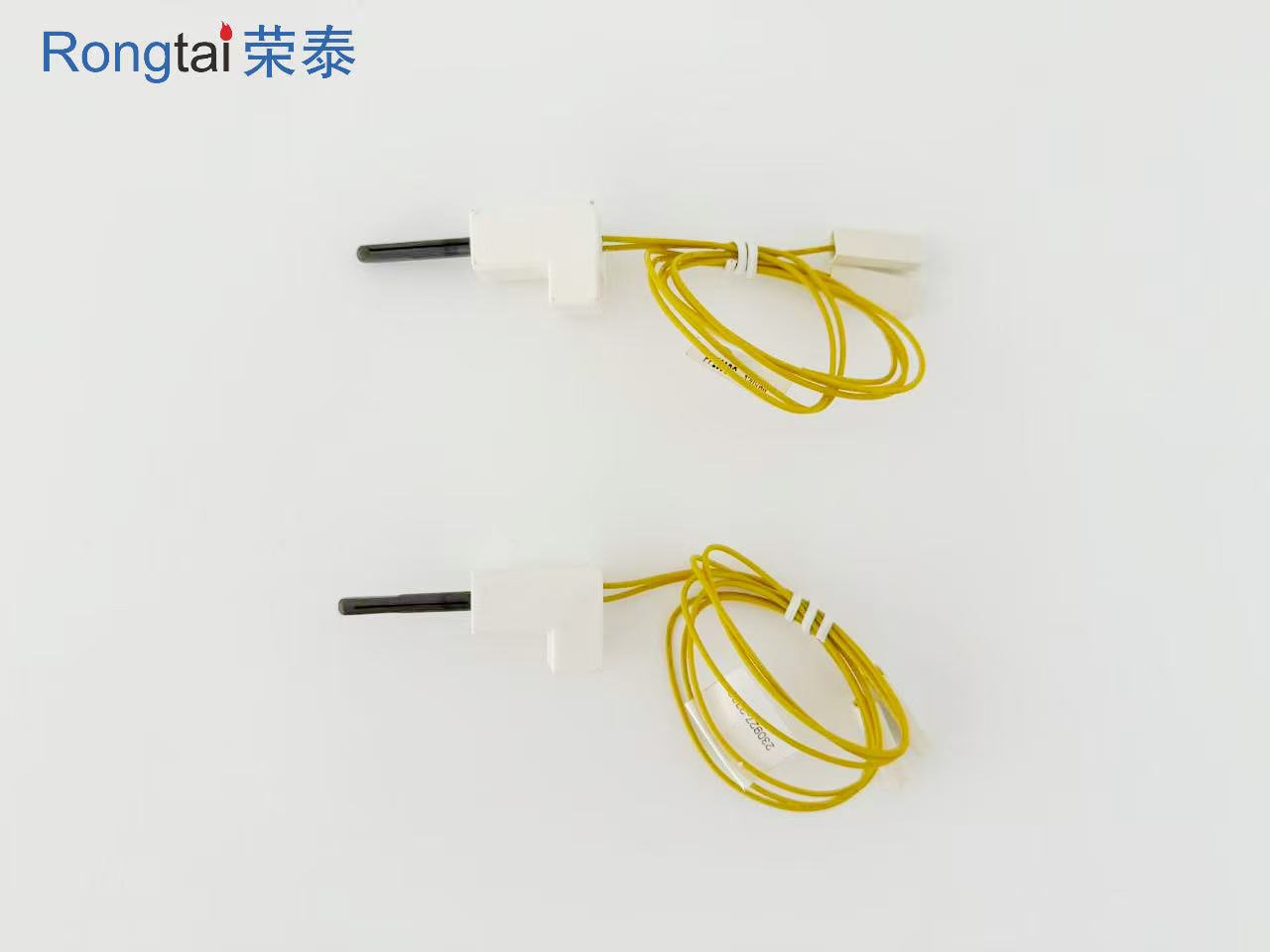
I could have bought another standard silicon carbide igniter for twelve bucks. But a repair forum mentioned silicon nitride igniter as a tougher, longer-lasting upgrade. I paid $22 and swapped it in. Six months later, here’s what I learned.
The Old Silicon Carbine Igniter Was Never Great
The silicon carbide igniter (the original hot surface igniter design) works by glowing red hot. But it’s brittle. I cracked two just by touching them with a greasy finger. And after a year, the resistance drifts. The oven control board misreads the current and refuses to open the gas valve. That’s why my oven was taking forever – the igniter was weak but not dead.
Silicon Nitride – First Impressions
The silicon nitride igniter feels different. It’s denser, smoother, and the glow is brighter orange. The first time I hit the bake cycle, it took four seconds to full glow – faster than any silicon carbide igniter I’d used.
What 6 Months Taught Me
First, it survives thermal shock. I’ve done the self‑cleaning cycle twice (900°F inside). Old hot surface igniter would have developed hairline cracks. This one looks brand new. Second, it lights the gas every single time. No more three‑click delays. Third, it seems immune to grease splatter. A bit of chicken fat landed on it – I wiped it off cold, and it still works fine.
One surprise: the silicon nitride igniter draws slightly less current than the silicon carbide igniter. My oven’s control board didn’t care, but I’ve heard some older models need a resistor. Check compatibility before buying.
Would I Go Back?
No chance. The silicon nitride igniter cost twice as much, but it’s already outlasted two standard hot surface igniter units. My oven fires up faster, and I don’t worry about a no‑start on Thanksgiving morning. If your gas range or furnace uses a silicon carbide igniter, spend the extra ten bucks. Your future self will thank you when the old one would have left you cold.