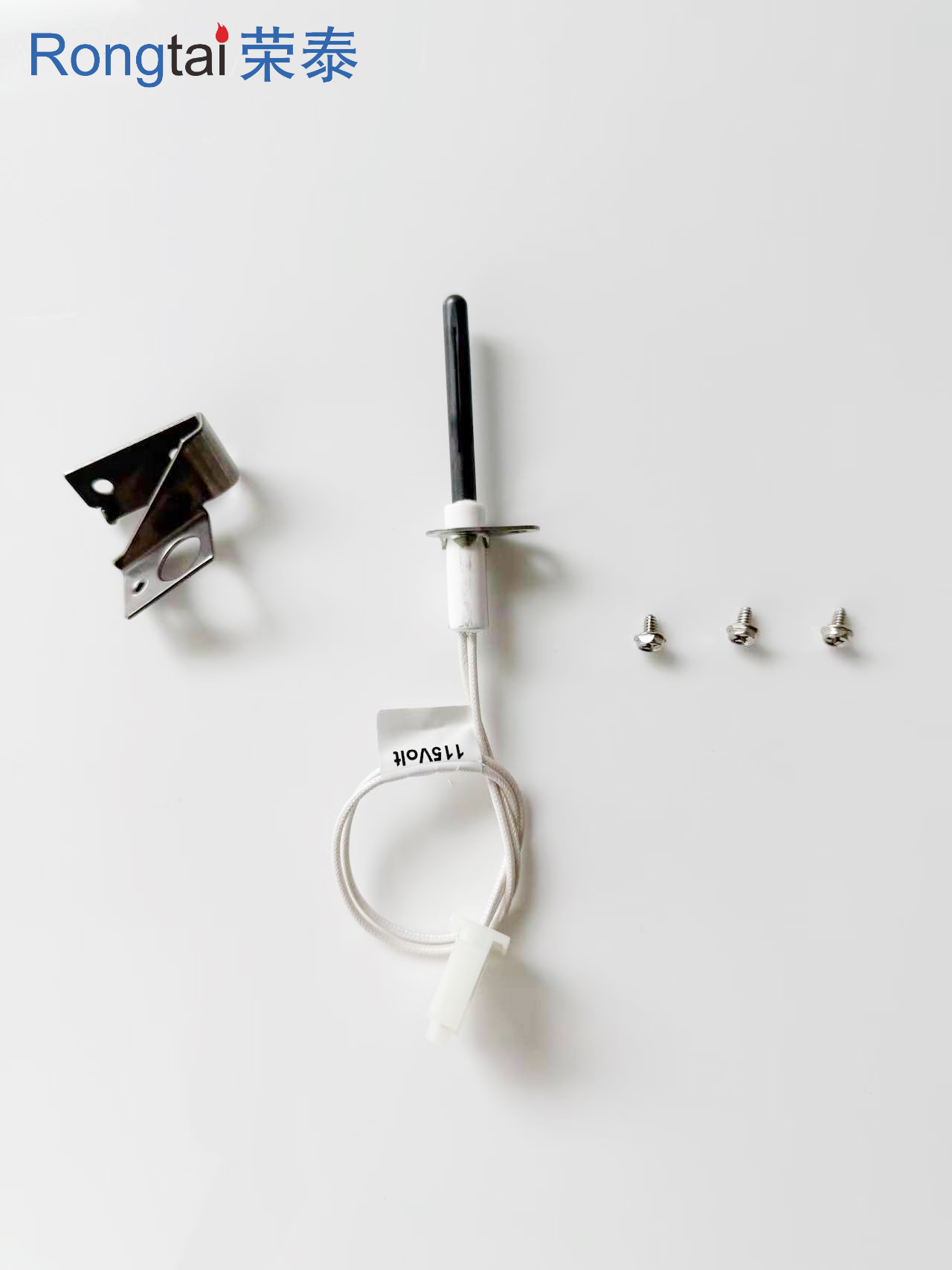
Check 1: Is the Igniter Glowing at All?
A silicon nitride igniter (and its older cousin, the silicon carbide igniter) glows orange-hot when working. Open the access panel and look. No glow? The igniter might be dead. But don't rush to replace it yet. Use a multimeter to check for 120V at the igniter terminals. If voltage is present but no glow, the hot surface igniter has an internal crack or open circuit. If no voltage, the control board or a safety switch (like a flame roll-out sensor) is the real problem.
Check 2: Is the Gas Valve Opening?
A click from the igniter doesn't mean the gas valve is opening. Listen carefully. After the igniter glows for 15–30 seconds, you should hear a distinct "thunk" from the gas valve. No thunk? The valve may have failed, or the control board isn't sending the signal. On older systems with a silicon carbide igniter, the board measures current draw through the igniter. If the current is slightly off (due to aging), the board won't open the valve. Silicon nitride igniters have more stable resistance, but the board can still fail.
Check 3: Is the Flame Sensor Dirty?
Sometimes the igniter works fine, the gas valve opens, and a flame appears for a second—then goes out. That's a dirty flame sensor rod (not the igniter). The sensor proves flame presence. If it's coated with carbon, it tells the board "no flame," and the board shuts the gas valve. Clean it with fine steel wool or a dollar bill. Do not use sandpaper—it scratches the metal.
A Note on Igniter Types
If you have a silicon carbide igniter (black, rough texture), it's more fragile and prone to cracking. Silicon nitride igniters (smooth, grey-white) are tougher but can still fail. Both are hot surface igniters—they glow, they don't spark. If you have a spark igniter (common in gas cooktops), these checks don't apply.