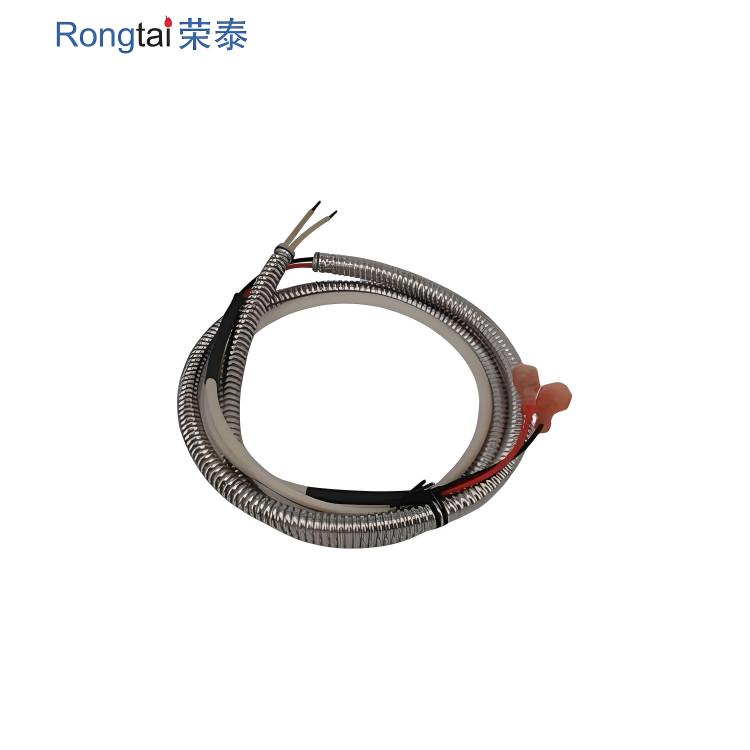
The Physics of Loosening
Metals expand when hot, contract when cold. A connect switch terminal, a thermocouple lug, or a high-temp power connector all do the same thing. But different metals expand at different rates. A copper lug on a stainless steel stud? They grow at different speeds. Each heat cycle creates microscopic movement between the mating surfaces. Over hundreds of cycles, that movement works the screw threads backward. One day, the connection is loose enough to arc.
Why High-Temperature Connections Are Worse
Standard terminals are designed for room temperature. High temperature resistant connections use special alloys (nickel-plated, inconel, or ceramic-insulated) that handle heat better, but they still suffer from differential expansion. The problem is worse when you mix materials—for example, a nickel-alloy connect switch terminal with a copper wire. The copper expands more, pushing against the terminal, and when it cools, it leaves a tiny gap. Repeat 500 times, and the screw loses its preload.
The Thermocouple Lesson
A thermocouple connection is especially sensitive. Thermocouples measure temperature by generating a tiny millivolt signal. A loose connection adds variable resistance, and the temperature reading drifts. Your controller thinks the oven is at 200°C when it’s actually 250°C. Bad parts, scrap, or worse—fire. That’s why high-temperature thermocouple connectors use special compensating alloys and spring-loaded designs to maintain constant pressure.
How to Stop the Loosening
-
Use belleville washers or split lock washers under the screw head. They maintain tension as materials expand and contract.
-
Apply a high-temperature anti-seize compound (not on electrical contacts, but on threads) to reduce friction and allow consistent torque.
-
Re-torque connections after the first few heat cycles. Then check them every six months.
-
For critical connect switch or power terminals, use a torque wrench and mark the screw position with a paint pen. If the mark moves, you’ll see it.
Your high temperature resistant connections aren’t failing because you bought cheap parts. They’re failing because thermal cycling is relentless. Respect the physics. Add spring washers, re-torque regularly, and your connections will stay tight for years—not weeks.