Let’s be honest: when a grill won’t light, the cookout stops. For procurement buyers managing inventory for retailers, hospitality chains, or aftermarket parts suppliers, the 91360 igniter kit is one of those SKUs that keeps moving. But not all replacements are built the same, and knowing what sits inside that little box can save your customers from return headaches.
The 91360: What It Replaces and What It Does
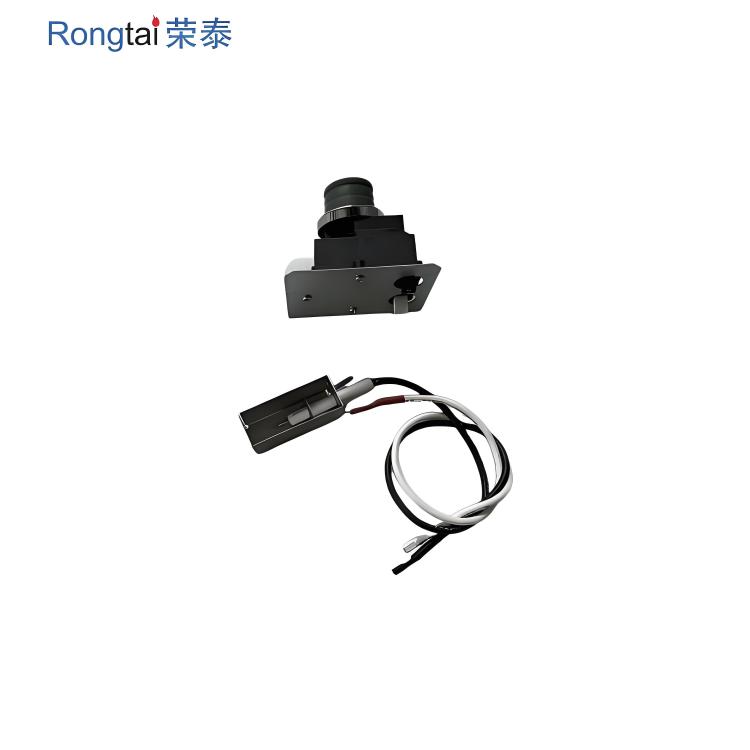
The 91360 igniter kit is purpose-built for Weber Spirit 210, 310, and 330 models from the 2009–2012 production run. An OEM kit typically includes the ignition module with push button, the collector box, electrode and ground wires, a gasket, and installation instructions. The battery is not always included, so that is something worth flagging for your clients.
What makes this kit stand out is its architecture—it replaces the entire side-control ignition chamber, not just the spark electrode. In many aftermarket kits, the redesigned module features a retaining nut instead of the original plastic tabs, which translates into a more secure fit and a longer usable life.
What Procurement Buyers Need to Watch For
When sourcing 91360 kits, compatibility should be your first checklist item. The fit is specific: side-control Spirit models only. If a buyer asks about the newer front-control Spirit II or Genesis II series, the 91360 will not work. That conversation matters, because returns on mis-sold parts erode margins.
Material quality is the second factor. High-temperature resistance and corrosion-resistant insulation on the spark wires are non-negotiable. Cheap knock-offs often cut corners on wire gauge or collector box metal thickness, leading to intermittent sparking or premature failure within a single grilling season.
Beyond the Igniter: What Completes the Kit?
This is where the conversation gets technical. A reliable barbecue stove igniter kit is not just about generating a spark. The connect switch—the actual button assembly—must withstand thousands of presses without losing tactile feedback. In some universal ignition kits for gas appliances, the piezoelectric switch and cable are bundled together, but with the 91360, the module and button come as a single electronic unit. That integrated design simplifies installation: your customer only needs a screwdriver to remove the old module and plug in the new one.
What is often missing from the conversation is the thermocouple. While the 91360 kit handles ignition, it does not replace the flame-sensing thermocouple that acts as a safety shutoff for the gas valve. If the grill lights but fails to stay lit, the thermocouple—not the igniter—is the culprit. It is worth equipping your sales team with this distinction. It builds credibility and opens the door for cross-selling thermocouple replacement parts alongside igniter kits.
The Bottom Line for Inventory Planning
The 91360 igniter kit is a consistent seller because these 2009–2012 Spirit grills are still everywhere. For procurement, the key is to distinguish between OEM-equivalent kits that mirror the original retention design and lower-cost alternatives that may use weaker plastics. Stock the version that includes a reliable push button and the updated retaining nut. Your buyers will notice the difference when the part holds up for years, not weeks.