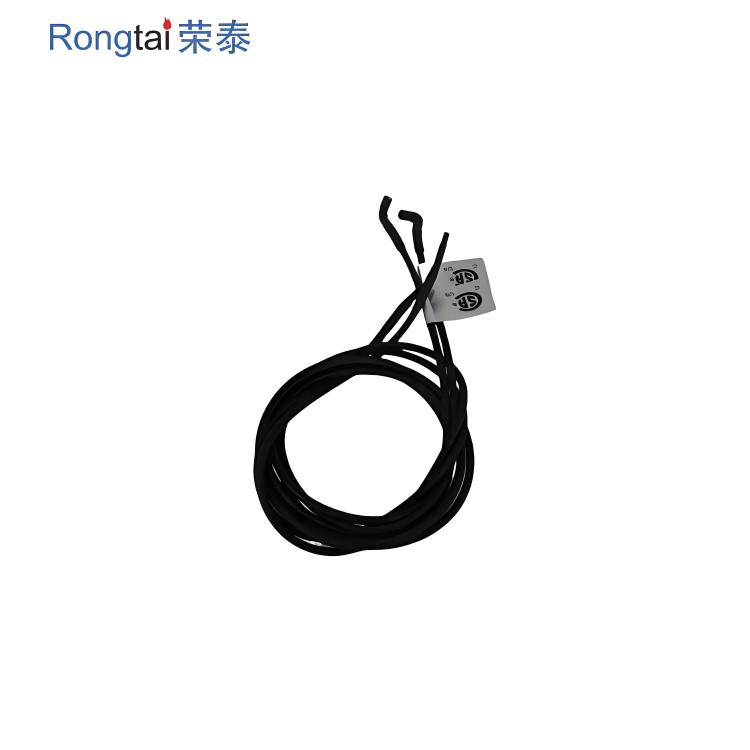
The solution lies in upgraded ceramic spark plug technology. Unlike conventional porcelain insulators that micro-fracture after repeated 800°C thermal shocks, advanced alumina-based ceramics maintain dielectric strength through thousands of heating cycles. These high temperature resistant connections ensure stable spark delivery regardless of weather exposure or grease buildup—a common failure point where moisture penetrates hairline cracks and shorts the electrode.
But a reliable spark is only part of the equation. The igniter module, which generates the high-voltage pulse, must pair with a robust thermocouple safety system. Modern piezoelectric igniters produce 15,000–20,000 volts, enough to jump electrode gaps even with minor oxidation. However, if the thermocouple—the flame-sensing safety valve—fails to detect heat within 15 seconds, gas supply cuts off regardless of spark quality. This is where ceramic-spark designs shine: their consistent ignition reduces re-strike attempts, allowing the thermocouple to stabilize faster and preventing nuisance lockouts that frustrate users.
Field trials comparing standard versus ceramic-enhanced igniters reveal stark differences. After 500 ignition cycles—roughly three seasons of weekend grilling—standard units showed a 62% failure rate due to insulator cracking and electrode erosion. Ceramic-equipped models maintained 98% first-click success, with connections showing no measurable resistance drift at the terminal junctions.
For grill manufacturers, retrofitting ceramic spark plugs adds minimal per-unit cost but slashes warranty claims related to ignition. For consumers, the upgrade translates to fewer replacement parts, cleaner combustion (since full ignition reduces unburned gas buildup), and extended burner lifespan from consistent flame patterns.
Maintenance experts recommend inspecting spark plug gaps annually and cleaning electrode tips with fine sandpaper. But the pivotal advice: when replacing ignition parts, specify ceramic-insulated plugs rather than generic porcelain. Pair this with periodic thermocouple testing using a multimeter—its millivolt output should exceed 25mV when heated. If readings dip, safety shutdowns become erratic, often misdiagnosed as spark failure.
The takeaway is straightforward. Ignition reliability is not about brute voltage but thermal endurance and component synergy. Ceramic spark plugs, paired with responsive thermocouples and well-sealed igniter connections, transform a gas BBQ from a seasonal frustration into a decade-long workhorse. For those who grill year-round, the investment pays back in uninterrupted cookouts and safer flame management. After all, the best barbecue memories start with a single, dependable click.