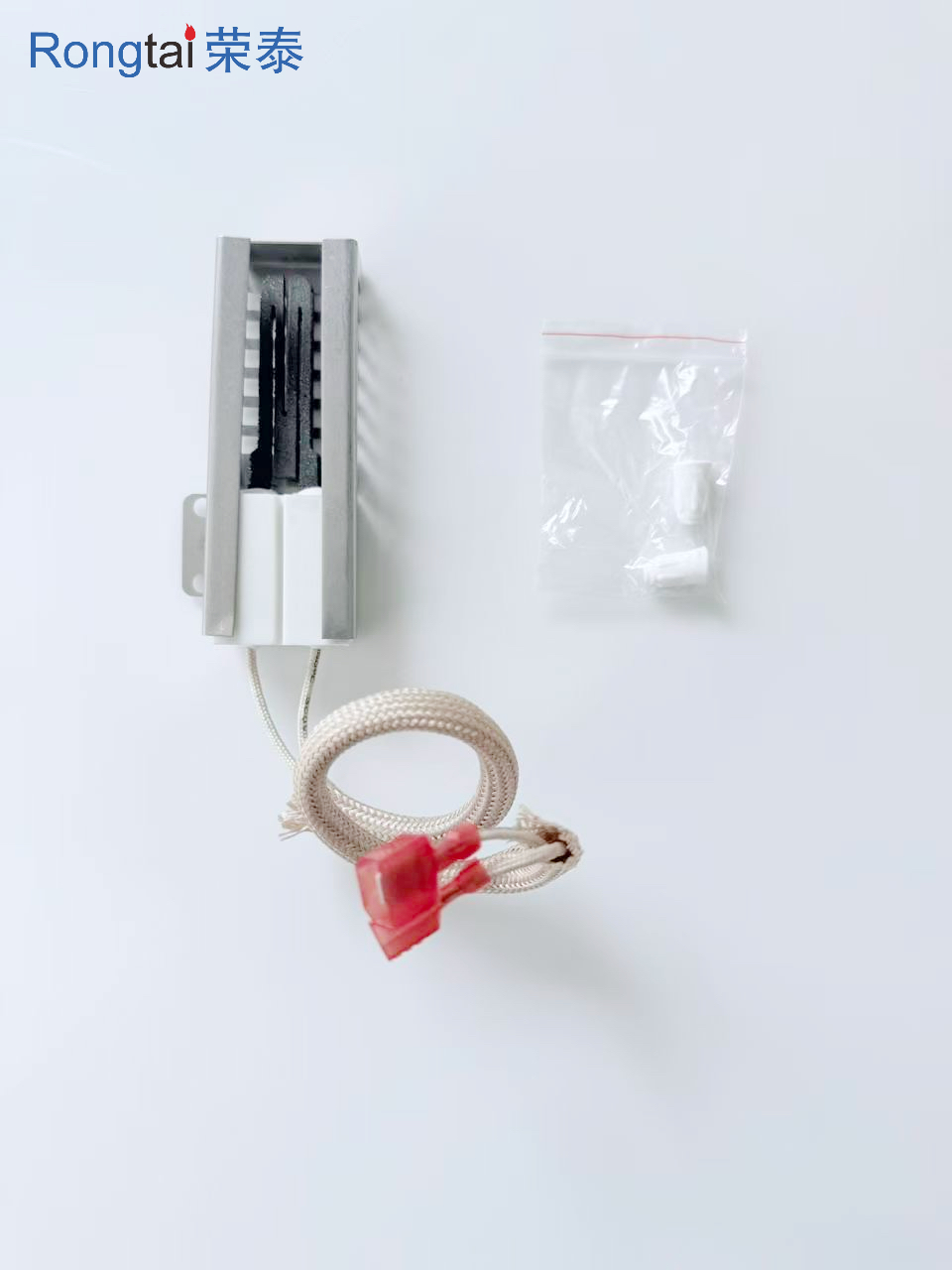
Silicon carbide igniters have become the go-to hot surface solution for high-temperature environments—gas-fired boilers, petrochemical crackers, and commercial kitchen equipment—thanks to their ability to withstand operating temperatures up to 1,400°C without degradation. Their resistance to thermal shock and oxidizing atmospheres gives them a clear edge over metallic alternatives. Manufacturers such as Kyocera and CoorsTek have reported double-digit order growth from Chinese and Indian steel mills switching from older spark-based systems.
But silicon carbide isn't the only player. Silicon nitride igniters, while less common, are carving out a niche in applications that demand extreme thermal cycling resistance—laboratory ovens and aerospace test rigs, for instance. Si₃N₄ offers comparable high-temperature stability but typically costs 15–20% more, limiting its adoption in price-sensitive sectors. Nonetheless, its superior fracture toughness makes it the preferred choice for automotive paint-curing lines where vibration is a concern.
The broader hot surface igniter category—which includes both SiC and SiN variants alongside earlier molybdenum disilicide designs—is seeing healthy competition. However, silicon carbide dominates roughly 68% of the total hot surface igniter market, according to the report. Its cost-to-performance ratio remains unmatched, particularly as manufacturers refine doping processes to reduce electrical resistance drift over extended use. One European burner OEM recently reported extending igniter replacement intervals from 18 to 30 months after switching to a new SiC formulation.
Geographically, Southeast Asia and the Middle East are emerging as hot spots, with new gas-fired power plants and desalination facilities driving demand. Meanwhile, retrofitting older hot surface igniters with silicon carbide units has become a quick win for facility managers aiming to cut maintenance downtime by up to 40%. As the report concludes, the growth trajectory is clear—and silicon carbide is leading the charge.