For decades, the standing pilot light was the standard ignition method for gas furnaces, ovens, and water heaters. A small flame burned continuously, ready to ignite the main burner whenever the appliance called for heat. It was reliable and inexpensive to manufacture. But it was also wasteful. The pilot light consumed between 10 and 40 percent of the gas used by the appliance, and that gas provided no benefit other than keeping a flame alive. In an era of rising energy costs and tightening efficiency standards, that waste became untenable.
The hot surface igniter changed everything. Unlike a pilot light, an HSI has no standing flame. Electricity passes through a ceramic element, which glows red hot and ignites the main burner directly. The igniter only draws power when the appliance is actually firing. No continuous gas consumption. No flame burning around the clock. The energy savings were immediate and substantial.
But the real revolution came with the material. Early hot surface igniters were made of silicon carbide. They worked, but they had a serious weakness: they were brittle. Silicon carbide igniters tended to crack and break as they aged. A cracked igniter meant a no-heat call, and technicians became accustomed to checking for cracks on every service visit.
Then came silicon nitride. Silicon nitride igniters are dramatically more durable. They feature a smooth, non-porous surface and are much tougher to break. They heat up more quickly than silicon carbide igniters, use less energy, and last longer. Silicon nitride igniters hold less heat and do not wear out as quickly. Under normal operating conditions, a hot surface igniter can last up to ten years. Compared to silicon carbide, silicon nitride outlasts them by two to seven times.
The market has responded. Silicon nitride igniters now account for 65 percent of the global hot surface igniter market, while silicon carbide holds the remaining 35 percent. The global hot surface igniters market was valued at approximately $247 million in 2025 and is projected to reach $383 million by 2031, growing at a CAGR of 7.6 percent. Major manufacturers including Coorstek and SCP Limited dominate the space, with the top two players holding over 30 percent of market share. Asia Pacific leads consumption with 53 percent of global demand, followed by North America at 26 percent and Europe at 16 percent.
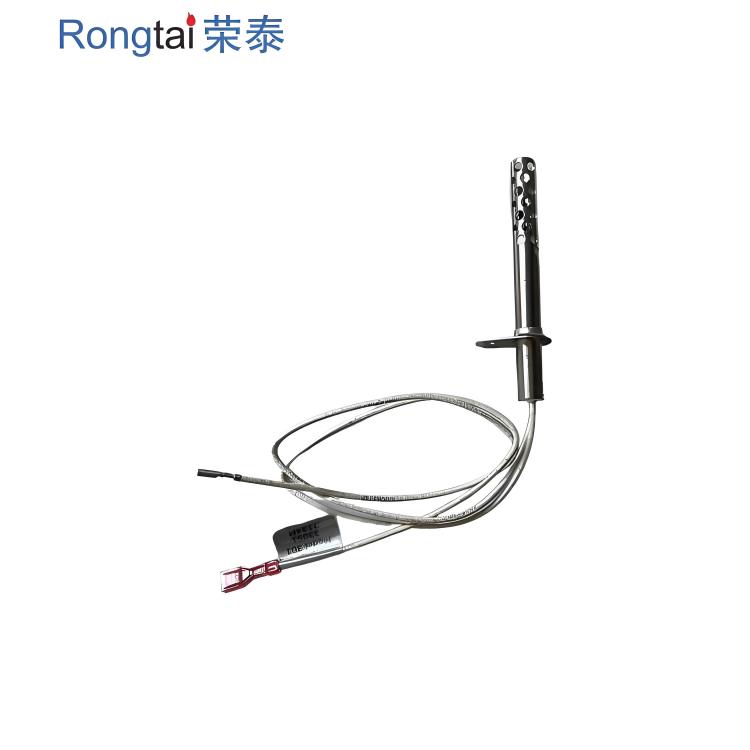
The thermocouple plays a supporting but essential role in this ecosystem. In gas appliances, the thermocouple is a critical safety feature that automatically shuts off the gas supply if the pilot flame goes out. Heated by the pilot flame, the thermocouple generates a small electric current that holds a solenoid valve open. If the flame extinguishes, the voltage drops and the valve closes. The global thermocouple market is projected to grow from $780 million in 2025 to over $1 billion by 2033. In gas heating systems and ovens, thermocouples remain indispensable for flame monitoring and safety shutoff.
The shift from pilot lights to hot surface ignition was not just an incremental improvement. It was a fundamental redesign of how gas appliances operate. No standing flame. No wasted fuel. A ceramic element that ignites on demand and lasts for years. Silicon nitride made it possible, and the industry has not looked back.