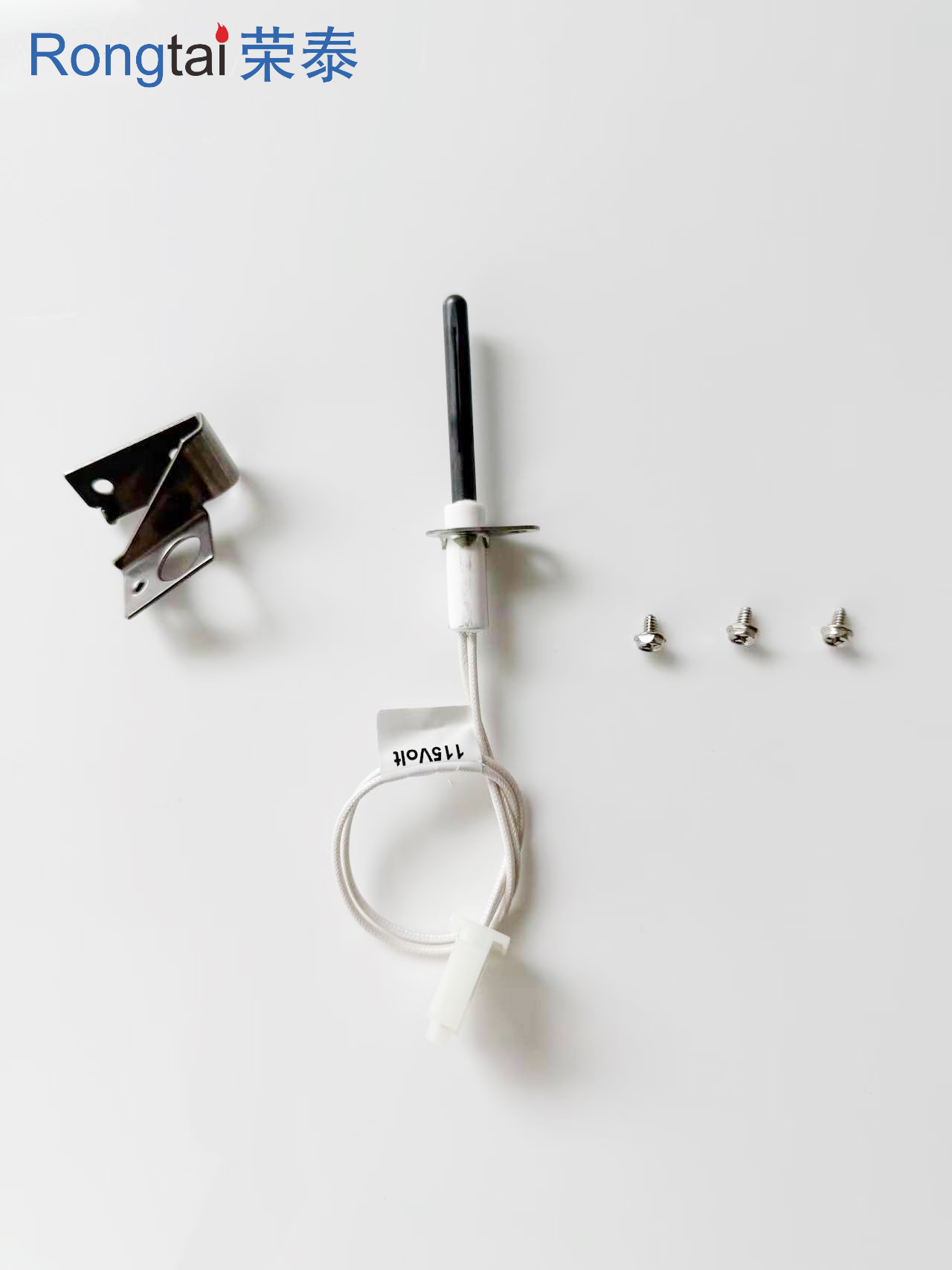
Across modern gas-fired equipment, ignition components operate under conditions that combine extreme temperature swings, electrical demand, and frequent cycling. Whether installed in a residential furnace, commercial kitchen appliance, industrial process heater, or boiler system, the igniter must perform consistently across thousands of start cycles without failure. For decades, silicon carbide served as the dominant material in hot surface igniters. Its ability to heat quickly and reliably made it the industry standard. However, as equipment manufacturers push for longer service life, reduced maintenance, and improved energy efficiency, new material technologies have begun to reshape how ignition systems are designed.
The silicon nitride igniter represents a fundamental leap forward. Unlike silicon carbide, silicon nitride ceramics possess a microstructure that provides significantly greater fracture toughness and resistance to mechanical stress. The numbers are stark: silicon nitride's fracture toughness—approximately 6-7 MPa·m¹/² compared to silicon carbide's 3-4 MPa·m¹/²—provides superior resistance to thermal shock. When a cold igniter is energized in a cold furnace, the rapid temperature rise creates internal stresses that cause microscopic cracks in less robust materials. Silicon nitride's finer grain structure and lower thermal expansion coefficient prevent these cracks from propagating, preserving both structural integrity and electrical performance.
Laboratory testing confirms the real-world impact. Subjected to 1,200°C surface temperatures with 60-second on-off cycles, silicon nitride maintained structural integrity through 45,000 cycles without measurable degradation. Silicon carbide counterparts showed visible oxidation and increased electrical resistance by 27% after just 12,000 cycles. This translates directly to field performance: one major boiler manufacturer reported warranty claims related to igniter failure dropping by 82% after switching to silicon nitride.
The hot surface igniter market has responded decisively. Silicon nitride igniters now account for 65% of the market, with the global sector projected to grow from $247 million in 2025 to $383 million by 2031. While silicon nitride igniters carry a 20-30% upfront premium, the total cost of ownership calculation favors them overwhelmingly—fewer spare parts, reduced maintenance labor, and drastically lower risk of production-stopping failures. For engineers, OEM designers, and maintenance professionals evaluating ignition solutions for modern gas-fired equipment, the data is clear: material science has made silicon nitride the new standard.