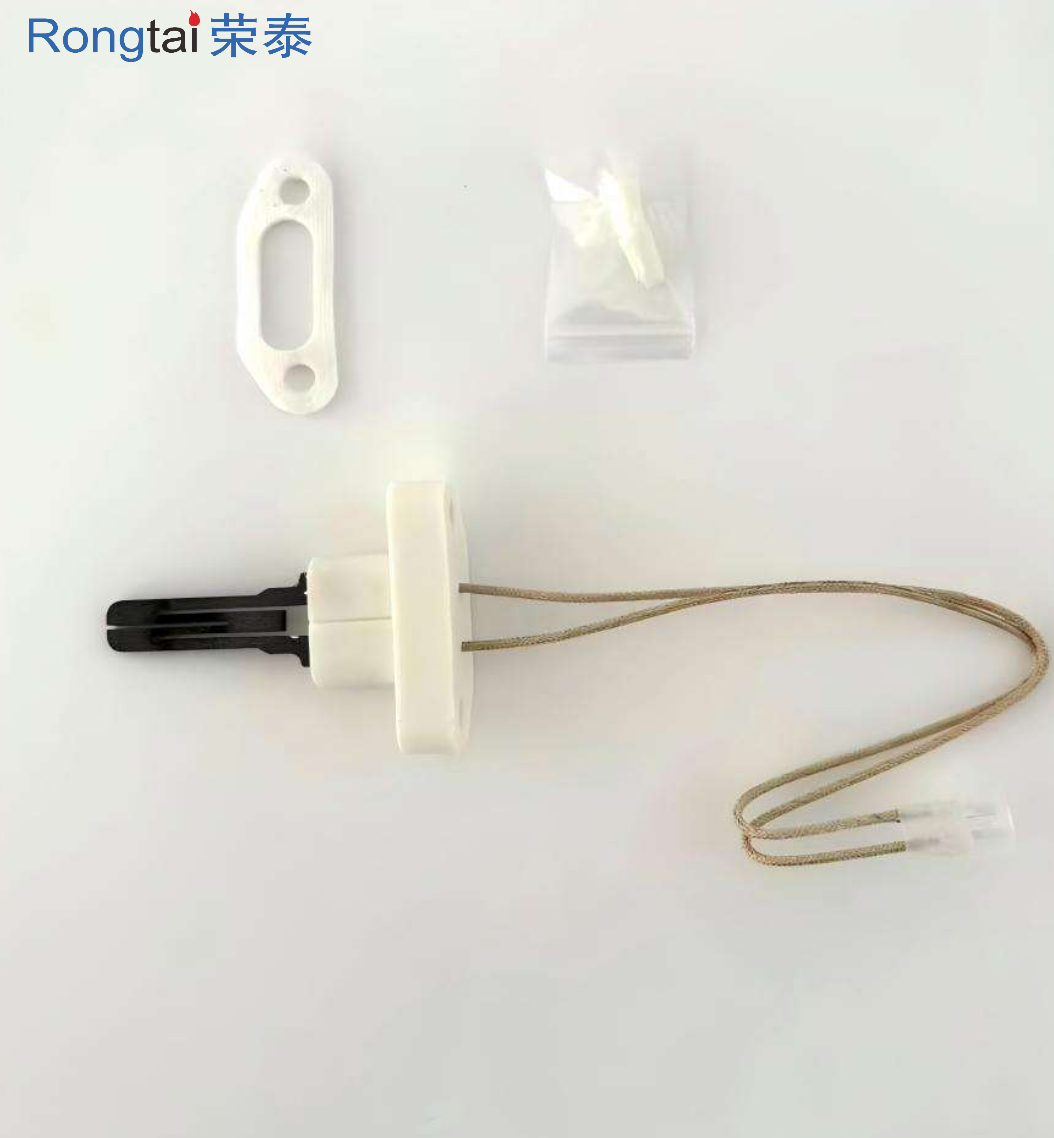
You've checked the igniter. It glows. You've checked the gas valve. It opens. The problem is the safety shutoff delay—the time the control board waits after ignition before proving the flame.
Here's how to diagnose and adjust it.
The Igniter's Role in Timing
A hot surface igniter doesn't just light the gas—it tells the control board when to open the gas valve. When the silicon carbide igniter reaches the correct temperature (typically 1,800–2,200°F), its electrical resistance drops. The board senses that drop and sends voltage to the gas valve.
The standard pre-ignition time is 30–45 seconds. The flame-proving period is 4–7 seconds after the gas valve opens. If the flame signal isn't strong enough or comes too late, the board shuts down.
Three Delay Issues
Issue 1: Igniter Aging
An old silicon carbide igniter takes longer to heat up. Instead of 30 seconds, it might need 50 seconds. The board expects flame within 7 seconds of valve opening, but the weak igniter causes the valve to open later. The flame comes late, the board times out, and the furnace shuts down.
Fix: Replace the hot surface igniter if it's older than 3–5 years. Even if it glows, the resistance curve can drift.
Issue 2: Flame Sensor Delay
A dirty flame sensor (a separate rod) takes 5–10 seconds to conduct the flame signal. The board wants proof of flame in 4 seconds. By the time the sensor detects the flame, the board has already closed the gas valve.
Fix: Clean the flame sensor with fine steel wool. Do not use sandpaper—it scratches the metal and makes the problem worse.
Issue 3: Control Board Adjustment
Some commercial furnace boards allow adjustable flame-proving time via dip switches or a potentiometer. Increase the proving time from 4 seconds to 7 or 10 seconds. Check your manual. Not all boards have this feature.
The Thermocouple Difference
An old standing pilot system uses a thermocouple to hold the gas valve open. No igniter delay. No control board. But on modern furnaces with hot surface igniter systems, the timing is electronic. If the board is faulty, it may not give the igniter enough pre-heat time or the flame enough proving time.
Real-World Fix
A restaurant's rooftop furnace kept short-cycling. The silicon carbide igniter glowed for 60 seconds, the valve opened, the flame lit, then died after 3 seconds. Cleaning the flame sensor fixed it—the sensor was so corroded it took 8 seconds to send a signal. A clean sensor sent a signal in 2 seconds, and the furnace stayed lit.
Your silicon carbide igniter can glow perfectly while your furnace fails to stay lit. Check the igniter's heat-up time, clean the flame sensor, and adjust proving delay if possible. Most of the time, the igniter isn't the problem—the timing around it is.