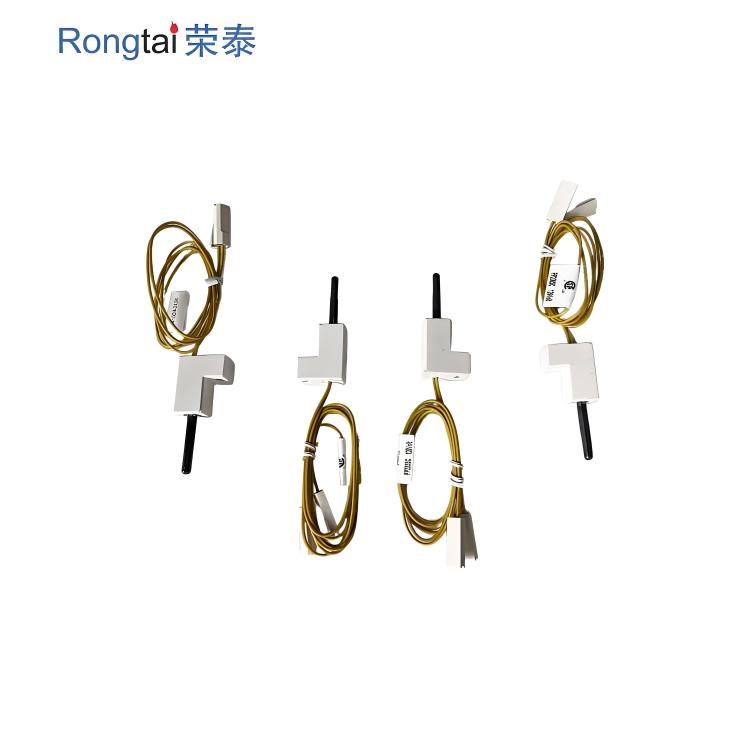
OEM hot surface igniters offer guaranteed fit and function. The manufacturer has tested the component for that specific water heater model, and the ignition sequence timing matches precisely. For distributors serving large commercial accounts or service networks that perform warranty repairs, OEM parts are non-negotiable. The failure cost of an improper ignition component—a technician return visit, a potentially unsafe condition, or a voided warranty—far exceeds the markup on the part itself.
Universal hot surface igniters have improved dramatically in recent years. The silicon nitride igniter, in particular, has become a versatile workhorse. Silicon nitride withstands thermal shock and oxidation better than older carbide designs, making it reliable across a broader range of voltage inputs and firing sequences. Modern universal igniters incorporate adaptive electronics that sense the electrical characteristics of the water heater and adjust the firing profile accordingly. This eliminates many of the compatibility issues that plagued earlier universal parts.
The inventory calculation is straightforward. A distributor with 80% universal coverage can reduce SKU counts by 60% while still serving 95% of service calls. The stock turns faster, working capital requirements drop, and warehouse space becomes available for higher-margin items. The remaining 20% of OEM-specific igniters cover the models that universal units don't handle—typically older units or proprietary systems with non-standard ignition sequences.
Distributors who track their sales data can refine this mix. Analysis of return data reveals which universal silicon nitride igniters generate the most repeat purchases and which OEM models are requested infrequently enough that they can be sourced on demand.
Distributors should also note that while the hot surface igniter handles the actual ignition task, a thermocouple may still be present in older or combination systems as a safety device. However, modern hot surface igniters increasingly incorporate flame-sensing functionality, reducing the number of separate components to stock.
The optimal inventory strategy for any given distributor is not fixed. As universal silicon nitride igniters continue to improve and OEMs consolidate their parts catalogs, the balance tips further toward universals. But the OEM segment will not disappear. The winning strategy monitors sales data, tests universal compatibility across the models in the distributor's service territory, and maintains a reliable sourcing channel for the exceptions. It is not about choosing sides. It is about data-driven allocation of inventory capital.