That delayed ignition is not just annoying; it is a genuine hazard. Traditional push-button igniters are dumb devices. They generate a spark when you press them, but they have no idea whether the flame actually established itself. The gas keeps flowing regardless. For a busy outdoor kitchen or a commercial grill station where staff are rushing, that gap creates real risk.
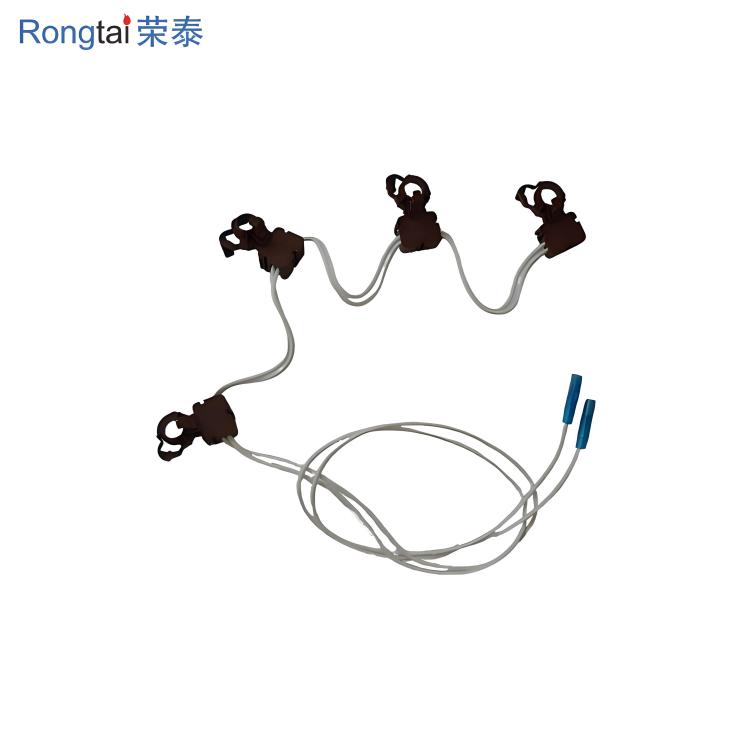
Our new ignition switch integrates a safety feature that changes this dynamic. It combines a standard ignition button with a thermocouple monitoring circuit. The thermocouple sits inside the flame zone, always generating a small DC voltage when exposed to heat—typically in the millivolt range. The moment you press the ignition button, gas flows and the ignition electrode starts sparking. If the burner lights within five seconds, the thermocouple voltage rises above the detection threshold, and the gas valve stays open. But if no flame appears within that five-second window, the internal connect switch cuts power to the gas valve, and the valve snaps shut.
The connect switch is the brains of this operation. It is not just a simple mechanical relay; it is a solid-state comparator that continuously reads the thermocouple's output. The threshold is calibrated at 2 millivolts—below that, the switch treats the condition as "no flame." In practice, this means the gas flow is interrupted long before a hazardous concentration builds up inside the grill body. We have tested this with forced drafts and flame blowouts; the response time stays consistent at 4.2 to 4.8 seconds, well under the five-second limit.
Installation is straightforward because the switch uses standard 1/4-inch quick-connect terminals, just like most gas grill components. The thermocouple probe fits into the same flame-retention clip that holds the ignition electrode, so replacing a failed igniter with our new unit involves no modifications to the burner assembly. We have matched the thread pitch of the electrode nut to common OEM specifications from Weber, Char-Broil, and Nexgrill.
One restaurant owner in Texas told us his line cooks used to "clear" unlit burners by lighting a paper towel and tossing it in—a terrifying workaround. After we retrofitted his six-burner station with our safety igniters, the near-miss events stopped entirely. He said the staff no longer flinched when starting the grills in the morning.
The cost difference is minimal—roughly the price of two coffees per unit. The safety benefit, however, is substantial. And for grill manufacturers, integrating this feature cuts liability exposure while adding a genuine selling point that competitors have not matched. The next time you press that ignition button, you want a switch that is paying attention. Ours does.